
Coach vocal Vocal coach

Barbara Frontini

Apprendre à connaître votre voix, pour qu’elle devienne vraiment la vôtre. Get to know your voice, so it can become truly yours.

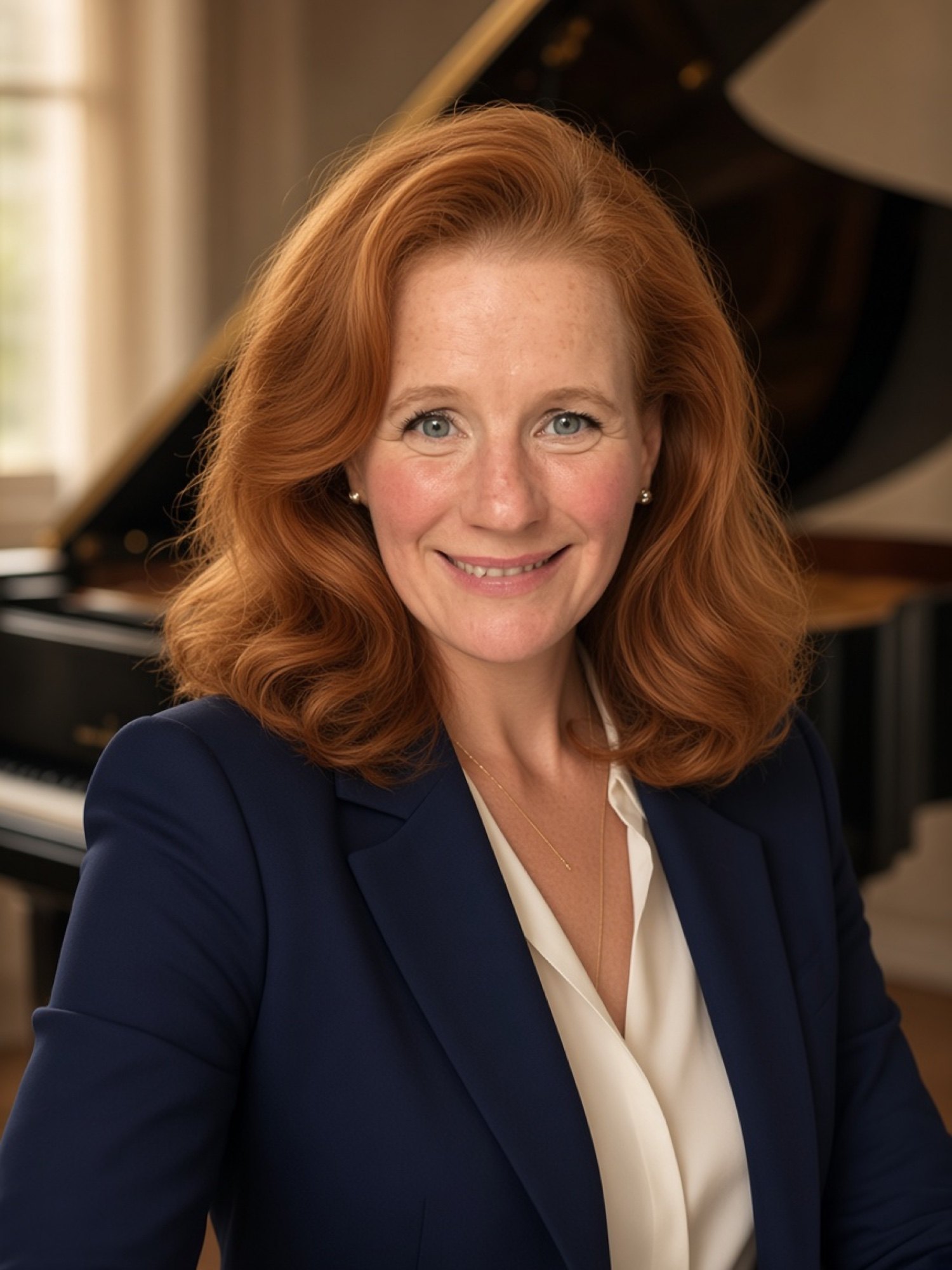
Image tirée du court métrage Every Song I Sing — personnage de fiction, et non un portrait de Barbara. Still from the short film Every Song I Sing — a fictional character, not a portrait of Barbara.
Portrait de Barbara Frontini, coach vocal, devant un piano à queue

À propos About

Coach vocal Vocal coach

Comment retrouve-t-on sa voix lorsque l’on a appris à se taire ? How do you find your voice again when you have learned to be silent?

Barbara Frontini est coach vocal, formée chez Dida Robberts, à Lasne, en Belgique. Elle écrit ses propres textes et arrangements. Le chant est devenu le chemin par lequel elle a retrouvé sa voix. Barbara Frontini is a vocal coach, trained at Dida Robberts’ school in Lasne, Belgium. She writes her own lyrics and arrangements. Singing became the way she found her voice again.

Cette formation nourrit le regard qu’elle porte sur la voix : curieux, précis, et toujours au service de la personne qui chante. That training shapes the way she approaches the voice: with curiosity, precision, and always in service of the person who is singing.

[à compléter] [to be completed] Quelques mots sur votre parcours, vos influences, et ce que vous aimez transmettre en cours. A few words about your path, your influences, and what you love to pass on in a lesson.

Pédagogie Teaching

Comprendre votre instrument Understand your instrument

Pour chanter avec plus de liberté, il est précieux de comprendre l’instrument que l’on porte en soi. Voici les sept éléments essentiels du larynx — le siège de votre voix — expliqués simplement. To sing with more freedom, it helps to understand the instrument you carry within you. Here are the seven essential parts of the larynx — the home of your voice — explained in plain language.

Le larynx, notre instrument — présentation pour les futurs élèves. Voix : Barbara Frontini ; images réalisées avec l’assistance de l’IA ; modèle 3D : BodyParts3D © DBCLS, CC BY-SA 2.1 JP. Sous-titres français et anglais disponibles. The larynx, our instrument — a presentation for future students. Voice: Barbara Frontini; images made with AI assistance; 3D model: BodyParts3D © DBCLS, CC BY-SA 2.1 JP. French and English subtitles available.
  1. 01

    Cartilage thyroïde Thyroid cartilage

    Le plus grand cartilage du larynx, en forme de bouclier — c’est lui qui forme la pomme d’Adam. Il protège les plis vocaux ; en s’inclinant, il les allonge et permet de monter dans les aigus. The largest laryngeal cartilage, shield-shaped — it forms the Adam’s apple. It protects the vocal folds; when it tilts, it lengthens them and helps the voice rise in pitch.

  2. 02

    Cartilage cricoïde Cricoid cartilage

    Un anneau complet à la base du larynx, plus haut à l’arrière, comme une bague à chaton. C’est le socle sur lequel reposent les autres cartilages ; le mouvement entre cricoïde et thyroïde règle la tension des plis vocaux, donc la hauteur du son. A complete ring at the base of the larynx, taller at the back, like a signet ring. It is the foundation the other cartilages rest on; movement between the cricoid and the thyroid adjusts fold tension, and therefore pitch.

  3. 03

    Cartilages aryténoïdes Arytenoid cartilages

    Deux petits cartilages en pyramide, posés à l’arrière du cricoïde. Ils pivotent et glissent pour ouvrir, fermer et ajuster les plis vocaux — indispensables pour attaquer un son, le relâcher, et nuancer le timbre. A pair of small pyramid-shaped cartilages sitting on the back of the cricoid. They swivel and slide to open, close and adjust the vocal folds — essential for starting and releasing sound, and for colouring the voice.

  4. 04

    Plis vocaux Vocal folds

    Deux replis de muscle et de ligament, recouverts d’une muqueuse, tendus de l’avant du thyroïde jusqu’aux aryténoïdes. Leur vibration dans le souffle produit la voix ; leur longueur, leur tension et leur épaisseur façonnent la hauteur, l’intensité et le timbre. Two folds of muscle and ligament, covered by mucosa, stretching from the thyroid cartilage to the arytenoids. Their vibration in the airflow produces the voice; their length, tension and thickness shape pitch, loudness and timbre.

  5. 05

    Épiglotte Epiglottis

    Un cartilage en feuille qui bascule pour protéger les voies aériennes quand on avale. En chant, sa position aide aussi à modeler l’espace de résonance juste au-dessus des plis vocaux, et peut colorer le son et les voyelles. A leaf-shaped cartilage that folds over to protect the airway when you swallow. In singing, its position also helps shape the resonance space just above the vocal folds, and can colour the sound and the vowels.

  6. 06

    Os hyoïde Hyoid bone

    Un os en U au-dessus du larynx, le seul qui ne s’articule directement à aucun autre os. Il ancre la langue et les muscles qui élèvent ou abaissent le larynx, ce qui modifie l’espace où la voix résonne. A U-shaped bone above the larynx, and the only bone that does not join directly to another. It anchors the tongue and the muscles that raise or lower the larynx, which changes the space where the voice resonates.

  7. 07

    Trachée Trachea

    Le « tuyau » sous le larynx, fait d’anneaux de cartilage, qui mène aux poumons. Elle achemine le souffle jusqu’aux plis vocaux : un flux d’air stable et bien soutenu est l’énergie qui fait vibrer la voix. The windpipe below the larynx, a tube of cartilaginous rings leading to the lungs. It carries the breath to the vocal folds: a steady, well-supported airflow is the energy that makes the voice vibrate.

Technique vocale Vocal technique

Vokal Positionen

Les positions vocales Vocal positions

Quatre étapes pour construire une voix libre et qui porte : le souffle qui la soutient, la brillance du twang, la forme de chaque voyelle, puis un exercice complet autour du diamant des voyelles. Four steps to build a voice that is free and carries: the breath that supports it, the brightness of twang, the shape of each vowel, and a complete exercise around the vowel diamond.

01 SoutienSupport

Le soutien : l’équilibre entre mouvement et résistance Support: the balance between movement and resistance

Le soutien est le moteur de la voix. Les plis vocaux ne vibrent bien que si le souffle leur arrive avec une pression stable et bien dosée : trop peu, et le son devient soufflé et fragile ; trop, et il se serre et fatigue la gorge. Soutenir, ce n’est donc pas pousser. C’est apprendre à doser l’air, comme on dose la pression du pied sur une pédale. Support is the engine of the voice. The vocal folds only vibrate well when the breath reaches them at a steady, well-measured pressure: too little and the sound turns breathy and fragile; too much and it tightens and tires the throat. So supporting does not mean pushing. It means learning to meter the air, the way you meter the pressure of your foot on a pedal.

Plusieurs muscles travaillent ensemble. Le diaphragme, grand muscle en forme de dôme sous les poumons, descend à l’inspiration ; on ne le sent pas directement, mais on sent son effet : le ventre, les flancs et le bas du dos s’élargissent. Les intercostaux, entre les côtes, ouvrent la cage thoracique et aident à la garder ouverte. Pendant le chant, les abdominaux — surtout le transverse et les obliques, sur les côtés — rentrent doucement pour faire monter l’air, les muscles du dos stabilisent le tronc, et le plancher pelvien sert de base à l’ensemble. Several muscles work together. The diaphragm, a large dome-shaped muscle beneath the lungs, moves down as you breathe in; you can’t feel it directly, but you feel its effect: your belly, sides and lower back widen. The intercostals, between the ribs, open the rib cage and help keep it open. While you sing, the abdominals — especially the deep transverse muscle and the obliques at your sides — draw in gently to move the air up, the back muscles stabilise the torso, and the pelvic floor gives the whole system its base.

Le secret, c’est l’équilibre : les muscles de l’expiration avancent, ceux de l’inspiration résistent et freinent, pour que les côtes ne retombent pas d’un coup. Les Italiens appellent cela l’appoggio, « l’appui ». The secret is balance: the breathing-out muscles move forward while the breathing-in muscles resist and brake, so the ribs don’t collapse all at once. Italian singers call this appoggio, “leaning on the breath”.

Ces bases sont le socle de tout ce qui suit. Si c’est encore difficile, restez ici et pratiquez régulièrement avant de passer aux positions vocales. Pas besoin que ce soit parfait : l’important est de comprendre et de sentir le mouvement. Si cela fonctionne déjà bien, bravo, passez directement au thème suivant. These basics are the foundation for everything that follows. If they still feel difficult, stay here and practise regularly before moving on to vocal positions. They don’t need to be perfect: what matters is that you understand and can feel the movement. If they already work well, great — go straight on to the next topic.

02Twang

Twang : la clarté qui porte Twang: the brightness that carries

Le twang, c’est ce son clair et brillant que l’on entend dans la country, la pop ou la comédie musicale, et qui traverse un orchestre sans que la voix force. Il ne vient pas du nez, mais d’un petit réglage juste au-dessus des plis vocaux. Twang is that clear, bright sound you hear in country, pop and musical theatre, the one that cuts through a band without the voice straining. It doesn’t come from the nose, but from a small adjustment just above the vocal folds.

À cet endroit, l’entrée du larynx forme une sorte d’entonnoir, bordé par les replis aryépiglottiques, tendus entre l’épiglotte et les aryténoïdes. Quand cet entonnoir se resserre, le son est renforcé entre 2 000 et 4 000 Hz environ, la zone à laquelle notre oreille est la plus sensible — on parle du « formant du chanteur ». Résultat : plus de présence et de portée, pour moins d’effort. C’est pour cela que le twang est si précieux : il protège la voix tout en la faisant entendre. At this point the entrance to the larynx forms a kind of funnel, rimmed by the aryepiglottic folds that run between the epiglottis and the arytenoids. When this funnel narrows, the sound is boosted at roughly 2,000 to 4,000 Hz, the range our ears are most sensitive to — often called the “singer’s formant”. The result: more presence and projection for less effort. That is why twang is so valuable: it protects the voice while helping it be heard.

Twang n’est pas nasalité. La nasalité dépend du voile du palais : quand il s’abaisse, une partie de l’air et du son passe par le nez. Le twang, lui, se règle dans le larynx et fonctionne très bien voile fermé. Le test : chantez un « i » brillant, puis pincez-vous le nez. Si le son ne change pas, il n’y a pas de nasalité. S’il s’étouffe ou change, le voile était ouvert. Twang is not nasality. Nasality depends on the soft palate (velum): when it lowers, some of the air and sound escapes through the nose. Twang happens in the larynx and works perfectly well with the soft palate closed. The test: sing a bright “ee”, then pinch your nose. If the sound doesn’t change, there is no nasality. If it gets muffled or changes, the soft palate was open.

Ce n’est qu’une première approche : le twang nous accompagnera tout au long du travail et reviendra dans de nombreux exercices. This is only a first introduction: twang will stay with us throughout our work and come back in many exercises.

03What are vocal positions?

Qu’est-ce qu’une position vocale ? What is a vocal position?

Chaque voyelle, chaque son, naît d’un réglage précis du conduit vocal, cet espace qui va des plis vocaux jusqu’aux lèvres. La langue, le voile du palais, la mâchoire et la hauteur du larynx y prennent chaque fois une forme particulière : c’est ce que j’appelle une position vocale. Pour produire un son de façon fiable, il faut retrouver cette position, chaque fois de la manière la plus semblable possible. Every vowel, every sound, comes from a precise setting of the vocal tract, the space that runs from the vocal folds to the lips. The tongue, soft palate, jaw and the height of the larynx take on a particular shape each time: this is what I call a vocal position. To produce a sound reliably, you need to find that position again, as similarly as possible each time.

Pensez à une position de danse. Au début, on la cherche, on la vérifie dans le miroir. À force de la prendre consciemment, le corps la mémorise, jusqu’au jour où elle vient toute seule, au milieu d’une chorégraphie. Avec la voix, c’est pareil : on répète lentement et avec attention, pour pouvoir ensuite chanter sans y penser. Think of a dance position. At first you search for it and check it in the mirror. The more often you take it consciously, the better your body remembers it, until one day it simply appears in the middle of a routine. The voice works the same way: you repeat slowly and attentively, so that later you can sing without thinking about it.

On commence dans la voix médiane, là où l’on parle et chante le plus confortablement. Pour chaque voyelle, donnez-vous une note de 1 à 10 : 1 pour une sensation de serrage, de pression ou d’inconfort ; 10 pour un son libre, facile et qui résonne. Une position bien réglée se reconnaît aussi à l’oreille : le son porte davantage, il est plus riche en harmoniques, et la voix se laisse guider plus facilement. Une voix médiane bien placée est la base pour aller ensuite vers les aigus, en sécurité et en liberté. We start in the middle voice, where you speak and sing most comfortably. For each vowel, give yourself a score from 1 to 10: 1 for tightness, pressure or discomfort; 10 for a free, effortless sound that resonates. You can also hear a well-set position: the sound carries further, it is richer in overtones, and the voice is easier to steer. A well-positioned middle voice is the base from which you can later reach high notes safely and freely.

04Vocal Diamant

Le diamant des voyelles The vowel diamond

Le diamant des voyelles est une carte pour s’entraîner. Au sommet, le « a » de « pâte », la voyelle la plus ouverte. À gauche descendent les voyelles postérieures, formées avec l’arrière de la langue et des lèvres de plus en plus arrondies : « o » ouvert, « ô » fermé, puis « ou ». À droite descendent les voyelles antérieures, où l’avant de la langue se rapproche du palais : « è », « é », puis « i ». Plus on descend, plus la bouche se ferme. The vowel diamond is a map for practising. At the top is “ah” as in “father”, the most open vowel. Down the left side run the back vowels, shaped with the back of the tongue and increasingly rounded lips: “aw”, “oh”, then “oo”. Down the right side run the front vowels, where the front of the tongue rises towards the palate: “eh”, “ay”, then “ee”. The further down you go, the more closed the mouth becomes.

L’exercice : partez du « a » et descendez d’un côté, voyelle après voyelle, en glissant doucement d’une position à l’autre. Remontez, puis faites l’autre côté. Après chaque voyelle, demandez-vous à quel point elle est « bien assise », de 1 à 10, et notez-le ici. Vos notes restent enregistrées dans votre navigateur, et vous pouvez imprimer la fiche pour suivre vos progrès d’une semaine à l’autre. The exercise: start on “ah” and move down one side, vowel by vowel, gliding gently from one position to the next. Come back up, then do the other side. After each vowel, ask yourself how well it “sits”, from 1 to 10, and note it here. Your scores are saved in your browser, and you can print the sheet to follow your progress from week to week.

Choisissez une tonalité qui vous convient, ni trop haute ni trop basse. Les voix d’hommes peuvent chanter une octave plus bas : c’est la même position, simplement dans leur registre. Choose a key that suits you, neither too high nor too low. Men’s voices can sing an octave lower: it’s the same position, simply in their own range.

Diamant des voyelles / Vowel diamond VoyellesBack postérieuresvowels VoyellesFront antérieuresvowels plus ouvertmore open plus fermémore closed
Cliquez sur une voyelle pour la noter. Plus la note est haute, plus le cercle se colore. Click a vowel to score it. The higher the score, the deeper the circle’s colour.

Ma fiche : comment chaque voyelle est-elle assise ? My sheet: how well does each vowel sit?

1 = serré, pression, inconfort · 10 = libre, facile, résonant 1 = tight, pressure, discomfort · 10 = free, effortless, resonant

Date :Date:

Musique Music

Every Song I Sing Every Song I Sing

Un court métrage réalisé autour d’une chanson originale de Barbara : ses paroles, son arrangement, sa voix. A short film built around an original song by Barbara: her lyrics, her arrangement, her voice.

Paroles, arrangement et voix : Barbara Frontini ; mélodie créée avec l’IA ; film réalisé avec l’assistance de l’IA. Lyrics, arrangement & vocals: Barbara Frontini; melody created with AI; film made with AI assistance.

Cours Lessons

L’offre, en construction The offer, still taking shape

Voici le cadre des cours : les détails seront précisés ici. Here is the outline of the lessons — the details will be filled in here.

Cours individuels Individual lessons

[à compléter] [to be completed] Durée, tarif et fréquence. En présentiel à … / en visio. Length, fee and frequency. In person in … / online.

Pour qui ? Who is it for?

[à compléter] [to be completed] Niveau, âge, objectifs (chanter ses propres chansons, gagner en confiance, préparer une scène…). Level, age, goals (singing your own songs, building confidence, preparing for the stage…).

Langues des cours Lesson languages

[à compléter] [to be completed] Français, anglais, autres… French, English, others…

Contact

Écrivons-nous Let’s be in touch

Une question, ou l’envie de commencer ? Laissez un mot — dès que le formulaire sera relié, il arrivera directement chez Barbara. A question, or the wish to begin? Leave a note — once the form is connected, it will go straight to Barbara.

[à compléter] [to be completed] Adresse e-mail publique, téléphone, réseaux sociaux, lieu des cours. Public email address, phone, social media, and where lessons take place.